How to Prepare Your Pleasanton Home for Sale
June 11, 2026
June 11, 2026
Wondering where to start before you list your Pleasanton home? When your property may be worth well over $1.5 million, small details can shape how buyers see the whole house. If you are preparing for a downsize, a relocation, or helping a parent sell, this room-by-room checklist will help you focus on what matters most first. Let’s dive in.
Before you touch paint colors or staging, make sure your home is ready from a compliance and disclosure standpoint. In California, seller prep is not only about looks. It also includes required disclosures about the property’s condition and other materially important facts that a visual inspection would reveal.
For many Pleasanton sellers, the first checklist should include smoke alarms, carbon monoxide devices where required, and water-heater strapping. Single-family homes also need water-conserving plumbing fixtures, or sellers must disclose any noncompliant fixtures. If your home is older, it is smart to review these items early so there are no last-minute surprises.
If your home was built before 1978, take peeling or deteriorating paint seriously. Known lead-based paint hazards must be disclosed before sale, and deteriorating paint can be hazardous. If work will disturb old painted surfaces, use lead-safe certified firms.
It is also wise to gather records before listing. Pull permits, service receipts, manuals, and any repair documentation you have. In Pleasanton, many common updates such as kitchen and bath remodels, reroofing, water-heater replacements, HVAC work, electrical panel upgrades, and some plumbing work may require permits.
You do not need to remodel every room to make a strong impression. The better strategy is usually to handle safety items first, then obvious maintenance issues, then the spaces buyers notice right away. After that, you can decide whether a few targeted cosmetic updates make sense.
National staging and remodeling data supports that approach. Smaller, visible projects often show stronger value than broad luxury renovations. Front-door improvements, closet organization, fresh paint, sound roofing, and practical kitchen updates tend to stand out more than trying to reinvent the entire house.
In a market like Pleasanton, where many homes are owner-occupied and move-in readiness matters, buyers often respond well to homes that feel clean, orderly, and easy to understand. That is especially true for families balancing busy schedules and for downsizers who want a smooth transition.
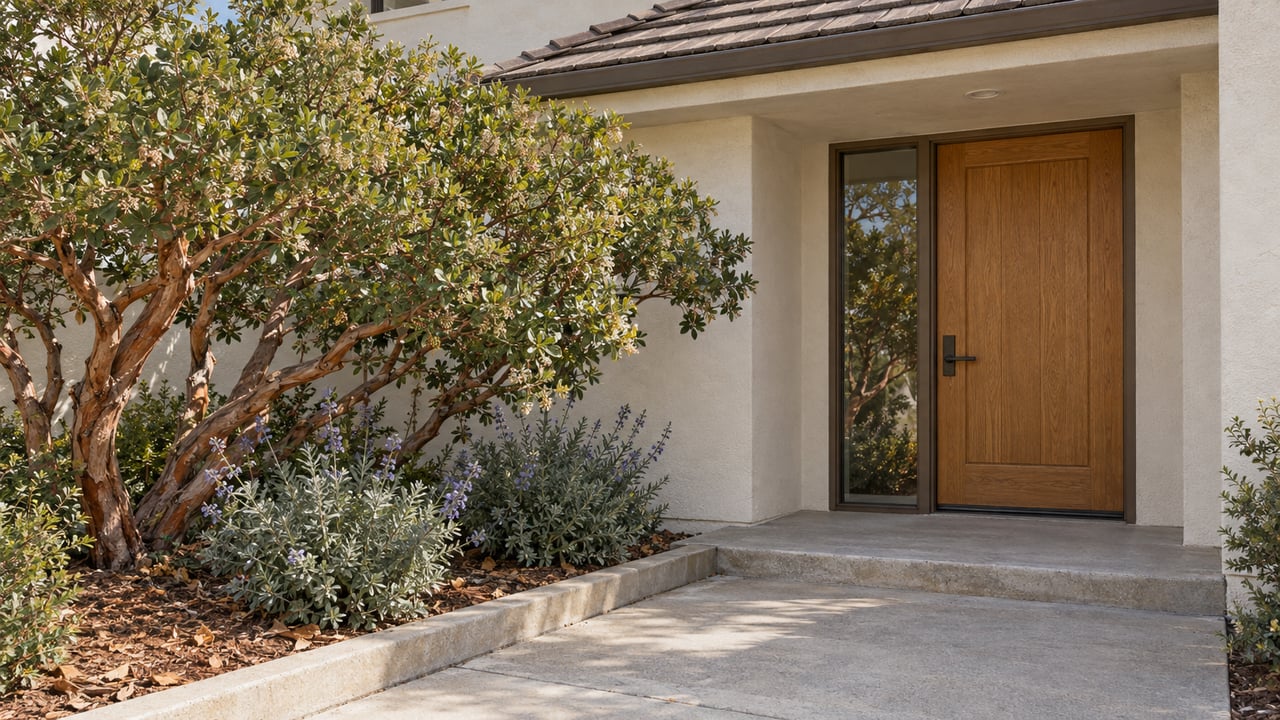
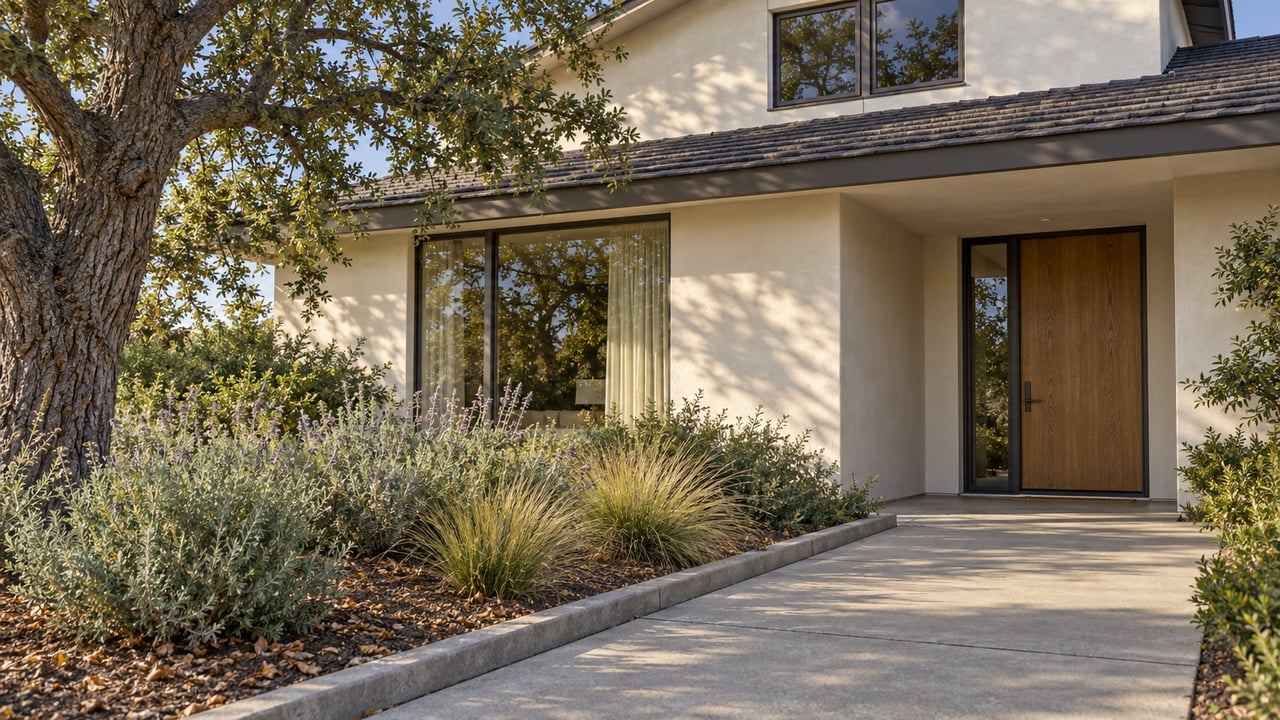
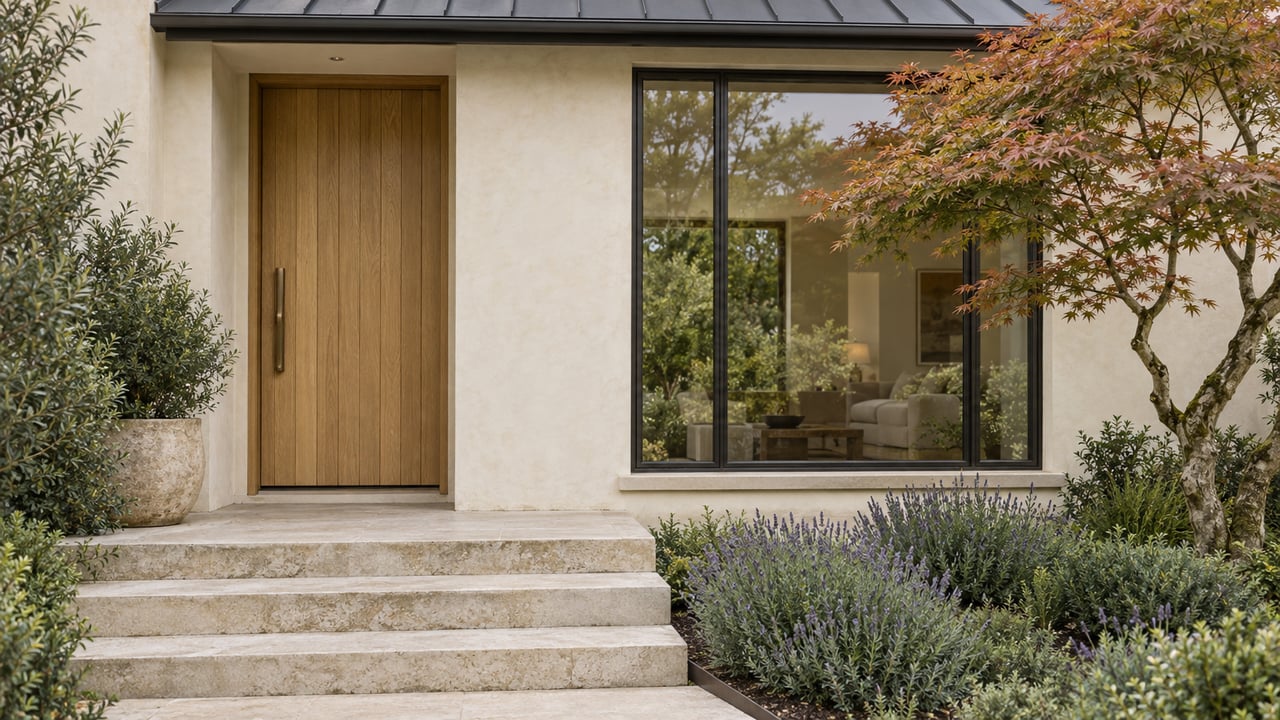
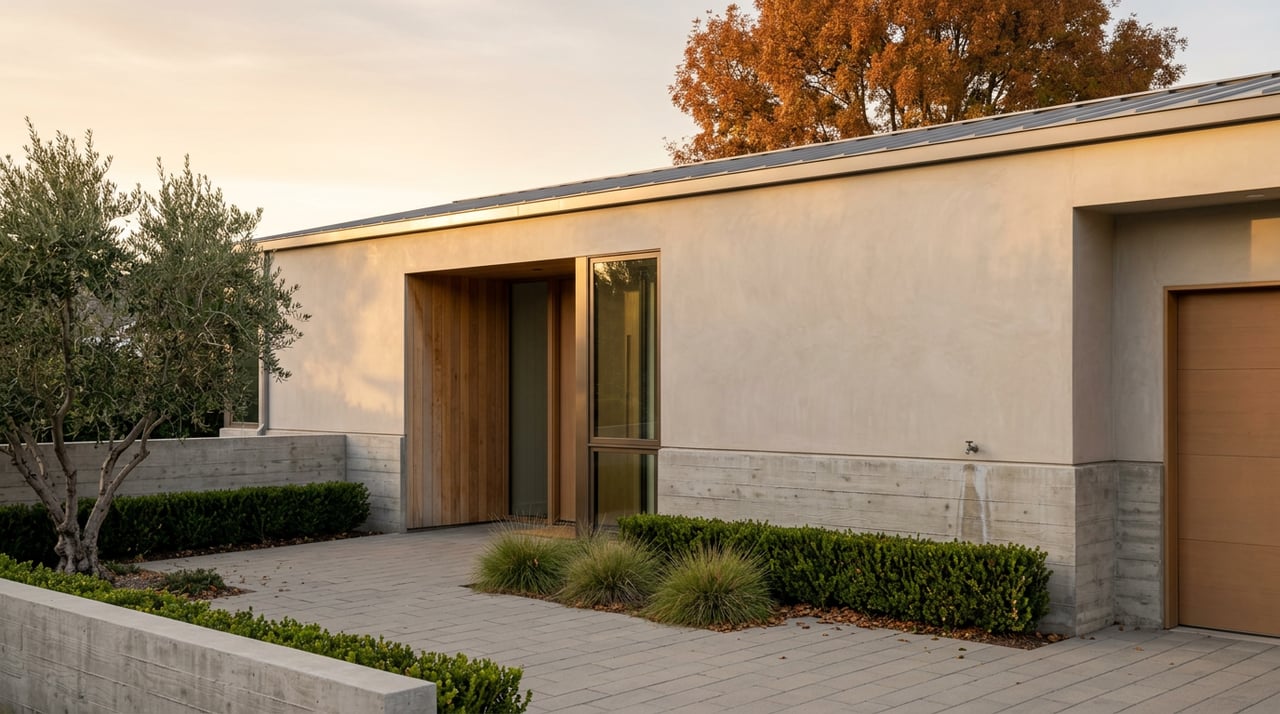
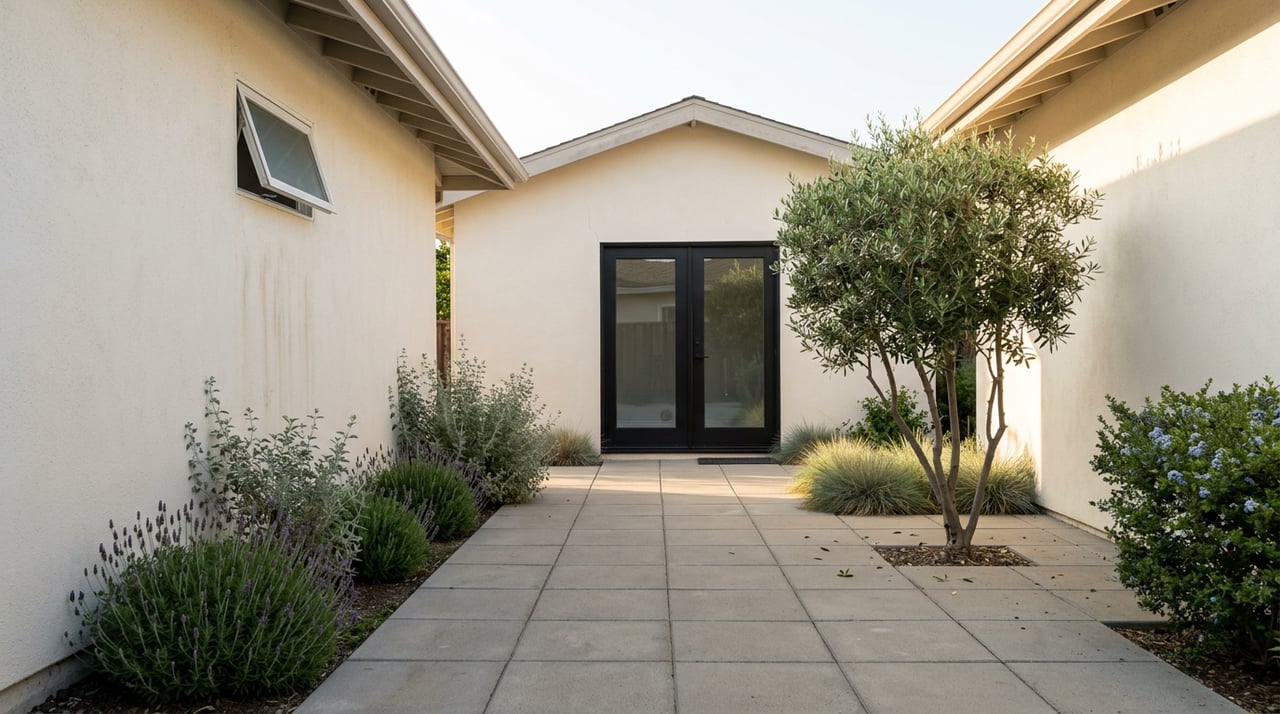
Your exterior sets expectations before anyone walks inside. Start with the path to the front door, driveway, porch, and landscaping that frames the entrance. The goal is to make the home feel cared for from the first step.
Use this checklist for the front approach:
A front-door upgrade can be one of the more practical pre-sale projects. NAR’s 2025 Remodeling Impact Report estimated a new steel front door at 100% cost recovery and a new fiberglass front door at 80%. That does not mean every seller should replace the door, but it does support giving the entry extra attention.
If your home has chalking, peeling, or damaged exterior paint and it was built before 1978, pause before starting work. Older layers may contain lead-based paint. This is one area where safe handling matters more than speed.
If you are considering exterior repairs beyond basic touch-up work, check Pleasanton permit requirements first. The city notes that owners should verify permit rules before altering, filling, re-grading, or building on property or within an easement or right-of-way.
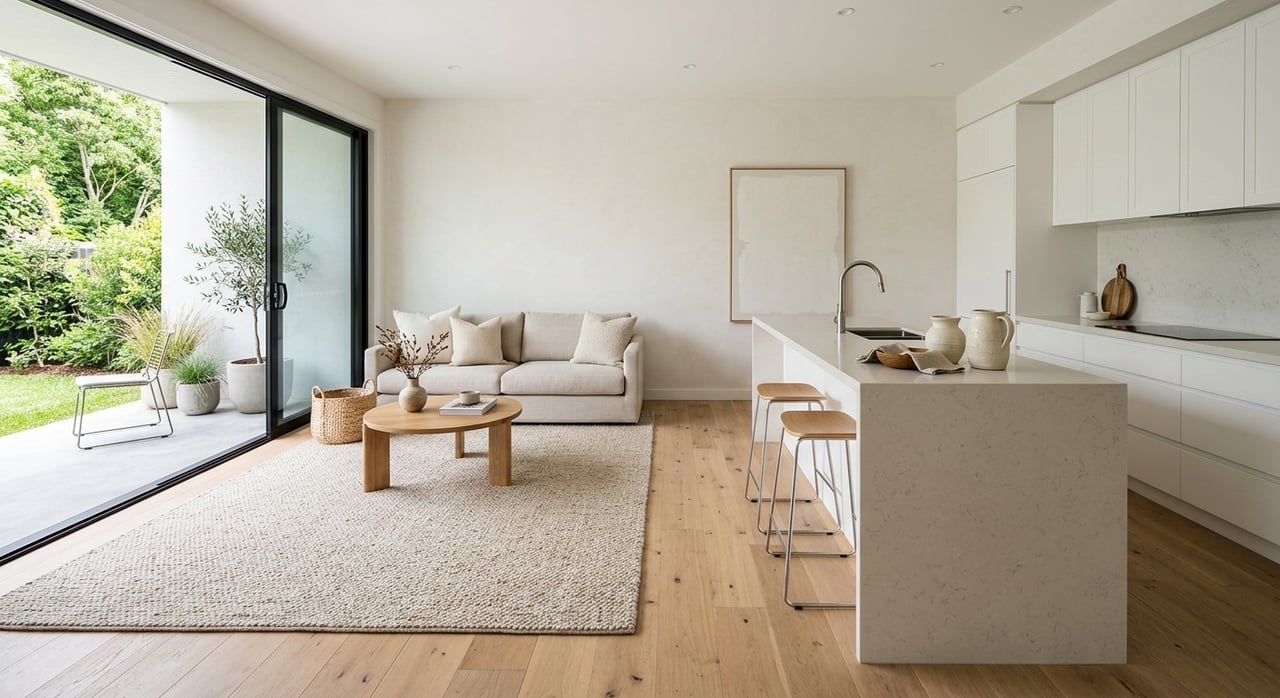
These rooms should usually be the cleanest and most open spaces in the house. According to NAR’s 2025 Profile of Home Staging, the living room was the most commonly staged room, and 83% of buyers’ agents said staging makes it easier for buyers to visualize the home as their future residence.
Start by removing extra furniture that makes the room feel tight. Then take out personal photos, pet items, and anything that pulls attention away from the room itself. If the layout is clear and the light is good, the space will usually feel larger and calmer.
Your living-room checklist:
The dining room does not need to be elaborate, but it should feel purposeful. NAR reports that dining rooms are also commonly staged, which makes sense because they help buyers understand how the home lives day to day.
Keep the table simple and scaled to the room. Remove extra chairs, heavy decor, or storage overflow. If the room currently feels like a catch-all space, returning it to its intended use can make the floor plan feel stronger.
Kitchens draw attention quickly, but that does not always mean you need a major remodel. In NAR’s 2025 Remodeling Impact Report, both a complete kitchen renovation and a minor kitchen upgrade were estimated at 60% cost recovery. For many sellers, that supports a targeted refresh instead of a full high-end overhaul.
Buyers usually respond best to kitchens that look clean, bright, and easy to maintain. Focus on what they can see and touch. Doors, drawers, fixtures, counters, and appliances should all feel cared for and functional.
Use this kitchen checklist:
If you are considering more than cosmetic work, verify permit requirements first. In Pleasanton, kitchen alterations are among the residential projects that may require permits.
Bathrooms usually make the best impression when they feel fresh, neutral, and well maintained. NAR estimated bathroom renovation at about 50% cost recovery, which suggests polish and function matter more than a highly customized update.
This is the place to fix small issues that signal neglect. A dripping faucet, cracked caulk line, or stained grout can make buyers wonder what else has been deferred. The good news is that many of these fixes are straightforward.
Use this bathroom checklist:
The primary bedroom is one of the most important rooms to stage, according to NAR. Buyers want it to feel restful, spacious, and easy to picture as their own. That usually means less furniture, fewer decorative layers, and a calmer overall look.
Keep surfaces nearly empty and bedding simple. If the room currently doubles as storage or office space, try to restore it to a more relaxing purpose before photos and showings.
Secondary bedrooms should also feel open and useful. Whether they are being used by children, guests, or as hobby spaces, the goal is to show clear function without overcrowding the room.
If one bedroom has become a storage room, this is a good time to edit. Buyers respond better when each room has a readable purpose.
Closets deserve real attention. NAR estimated closet renovation at 83% cost recovery, which highlights how much organized storage matters. You do not need a custom system to make a closet show well, but you do need space and order.
Your bedroom and closet checklist:
A home office, loft, or bonus room can add value when buyers can quickly understand how to use it. NAR notes that bonus spaces like offices can have a larger impact on buyers, so it helps to show them as adaptable, useful rooms rather than overflow storage.
Keep furniture minimal and practical. If the room can serve more than one purpose, show that through simple, uncluttered setup rather than trying to force a specialized use.
These spaces do not need to be perfect, but they do need to look clean and easy to inspect. Buyers notice whether utility areas feel maintained. They also tend to pay attention to systems, storage, and signs of past repair work.
This is a good place to gather the practical details that support a smoother escrow process. Keep manuals, service records, and permit information together so they are easy to share when needed.
Use this checklist for utility spaces:
If your home has an older electrical panel, patchwork plumbing, or a long history of repairs, it is especially helpful to sort out records before listing. That preparation can save time once disclosures and inspections begin.
If this all feels like a lot, do not try to do everything at once. A clear sequence can make the process more manageable and less stressful.
A practical seller-prep order looks like this:
For longtime owners, seniors, adult children, and executors, this kind of planning can make a major difference. It turns a stressful project into a series of manageable decisions.
In California, disclosure duties, visual inspection expectations, permit history, and pre-sale prep all connect. That is one reason many Pleasanton sellers benefit from a full-service approach. Deciding what to fix, what to skip, what may need permits, and how to time the work takes structure and local knowledge.
That is especially true if you are balancing a move, helping a parent transition, or managing an estate from out of town. Having someone coordinate vendors, organize the process, and keep communication clear can take a heavy load off your shoulders.
If you want a calm, well-planned path to market, Jo Ann Luisi can help you prepare your Pleasanton home with thoughtful guidance, trusted resources, and a full-service strategy tailored to your timeline.
Stay up to date on the latest real estate trends.




Don’t guess the market! Every decision counts when your investment is on the line. With 25+ years of experience, million-dollar transactions, and a proven track record, Jo Ann Luisi delivers the strategy, and results you deserve.