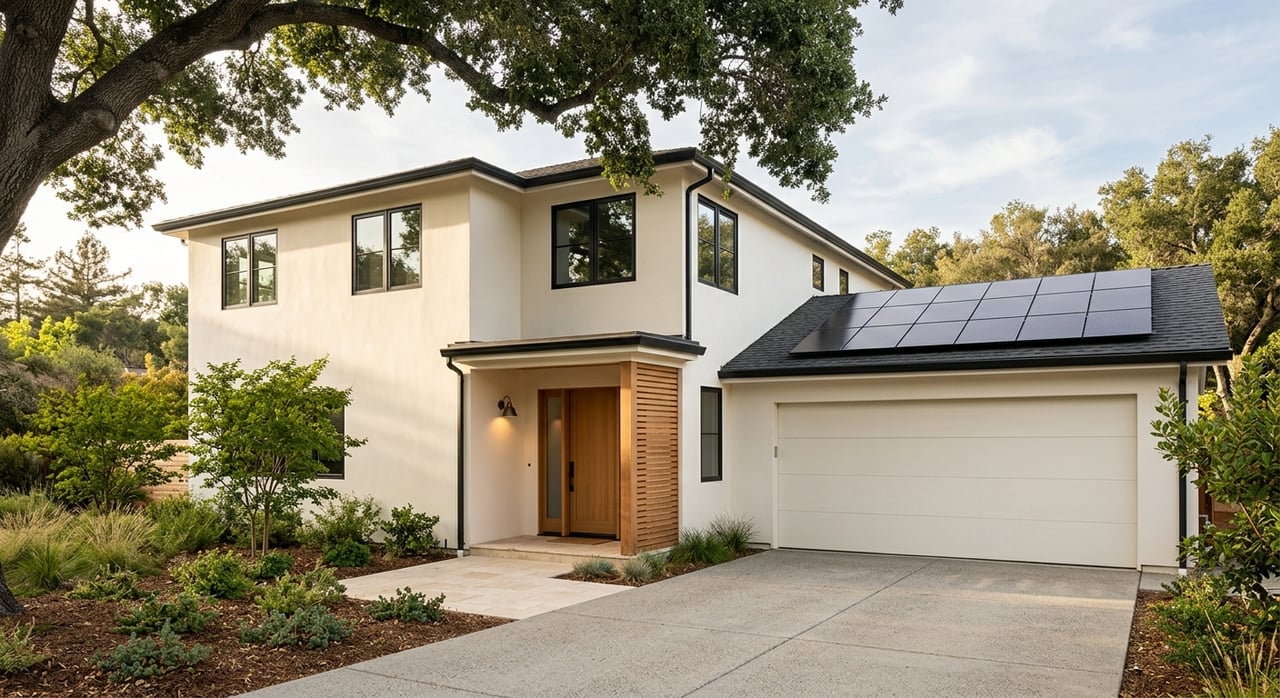
How to Choose the Right Pricing Strategy for Your Pleasanton Home
June 18, 2026
June 18, 2026
Wondering whether to price your Pleasanton home high, low, or right at market? That choice can shape how much attention your listing gets, how quickly offers come in, and whether you end up negotiating from a position of strength. If you are preparing to sell, especially during a major life transition, it helps to understand how today’s Pleasanton market supports different pricing strategies. Let’s dive in.
Your asking price does more than set a number. It signals value, shapes buyer expectations, and influences how seriously buyers respond in the first days your home is on the market.
That early window matters in Pleasanton. For detached homes, Bay East reported an average of 13 days on market in April 2026, with buyers paying 102% of list price on average. In a market moving that quickly, the right launch price can help you capture momentum before your listing starts to feel stale.
Pleasanton is not a one-size-fits-all market. Detached homes and attached homes have been performing differently, which means your pricing strategy should match your property type.
For detached homes, Bay East’s April 2026 Pleasanton report showed 68 active listings, 39 pending sales, 32 sold homes, and about 2.4 months of inventory. The median sale price was $1,697,500, and homes were selling close to or above list price on average.
Attached homes were slower. In March 2026, Pleasanton condos and townhomes had 26 active listings, 6 sales, about 3.5 months of inventory, a median sale price of $636,000, average days on market of 54, and buyers paying 99% of list price on average.
That difference is important. A pricing approach that works for a well-prepared detached home may not work as well for a condo or townhome.
This is the most common starting point. Market-value pricing uses recent sold homes, pending sales, active competition, property condition, and local trends to set a realistic asking price.
A strong comparative market analysis, or CMA, usually looks at homes that have sold recently, homes currently under contract, and homes still active on the market. This strategy aims to position your home credibly from day one.
Strategic underpricing means pricing at the lower end of a realistic range to encourage more traffic and stronger competition. It is not random discounting. It works best when the price still reflects true market value and the home is prepared well.
In a faster-moving detached market like Pleasanton’s, this can create urgency. If your home shows well and aligns with recent comparable sales, a slightly conservative list price may help attract multiple interested buyers early.
This strategy tests the market by setting the asking price above the likely market-clearing number. Some sellers consider it when they are not in a hurry and want room to negotiate.
The risk is that buyers may pass over the listing, especially when monthly payments already feel stretched. NAR guidance also warns that a balanced approach can help sellers avoid price cuts and longer time on market.
Value-range pricing markets a home with a low and high price instead of one fixed price. This can signal flexibility and sometimes widen exposure.
Still, value-range pricing often works better in softer or more tepid markets. It can also draw buyers toward the bottom of the range, which may not help if your detached home is already likely to attract strong interest with a clear, well-supported list price.
Pleasanton detached homes have been selling quickly and close to list price. In April 2026, buyers paid 102% of list price on average, and average days on market were just 13.
That suggests the first 10 to 14 days are especially important. If your home is updated, staged, and supported by strong comparable sales, pricing at market value or slightly below the top of the realistic range may help create immediate interest.
Condos and townhomes have been moving more slowly in Pleasanton. With 54 average days on market in March 2026 and buyers paying 99% of list on average, overpricing can be harder to recover from.
For attached homes, it is often smarter to focus on clean positioning against current competition. Buyers in this segment may compare payment, condition, HOA considerations, and available alternatives very closely.
Even in a high-income city like Pleasanton, affordability matters. In first-quarter 2026, C.A.R. reported that only 23% of Alameda County households could afford a median-priced existing single-family home, with a minimum qualifying income of $315,600.
Mortgage rates also remain meaningful. Freddie Mac reported the 30-year fixed mortgage rate at 6.52% on June 11, 2026. That means many buyers are qualified, but still sensitive to price and monthly payment.
Start with the basics. A detached home in a desirable micro-market may draw a stronger response than an attached home competing in a slower segment.
That is why a seller should ask for separate detached and attached analysis when relevant. Broad Pleasanton numbers are useful, but your exact home type matters more.
Your ideal pricing strategy depends on how quickly you want or need to sell. If timing is important because you are downsizing, relocating, or handling an estate, a competitive launch price may reduce uncertainty.
If you have more flexibility, you might consider a more ambitious price. Still, flexibility does not erase the risk of losing early momentum if buyers decide the home feels overpriced.
The best comparable sales are not just nearby homes. They are homes that match your property in style, size, condition, lot, and recent timing.
The research for Pleasanton suggests sellers should pay close attention to the last three months of comps. In a market where prices have been rising for four consecutive months regionally, fresh data matters.
Many sellers worry about leaving money on the table. That concern is understandable, especially if you have invested in your home over many years.
But overpricing can reduce showings, soften urgency, and lead to price reductions later. NAR guidance notes that homes priced more than 3% over the correct price tend to take longer to sell.
In Pleasanton, where many buyers are established owner-occupants comparing value carefully, a price needs to feel credible. Buyers often notice quickly when a listing does not line up with condition, location, and likely appraisal support.
When a Pleasanton listing first hits the market, that is usually when buyer attention is highest. New inventory gets watched closely, especially when supply remains relatively limited.
Bay East reported that East Bay buyers were becoming more active in spring 2026, pending sales were rising, and inventory remained at least 250 homes below March 2025. In that environment, the right price can help your home stand out immediately.
If traffic, inquiries, or offer activity fall short in the first two weeks, you should already have a price-adjustment plan. Waiting too long can make the next price move less effective.
A strong pricing strategy should help you attract better offers, but the highest number is not always the best outcome. Offer quality matters too.
NAR’s consumer guidance notes that cash, fewer contingencies, and other favorable terms can make a lower-priced offer stronger than a higher one. When reviewing offers, it helps to focus on net proceeds, certainty, and how likely the transaction is to close smoothly.
If you are preparing to sell in Pleasanton, a thoughtful pricing plan usually includes these steps:
This kind of structure is especially helpful if your sale involves a senior move, a relocation, or an estate. Clear planning makes the process feel more manageable and can reduce stress for everyone involved.
In Pleasanton, the goal is not simply to pick a high number or a low number. The goal is to choose a price that feels credible, competitive, and well supported by current market evidence.
For many detached homes, that may mean pricing at market value or slightly below the top of the realistic range to encourage a strong early response. For many attached homes, it may mean tighter pricing discipline and careful comparison with active competition.
Most of all, your pricing strategy should fit your home, your timing, and your next chapter. If you want calm, data-driven guidance for your Pleasanton sale, Jo Ann Luisi can help you build a pricing plan that supports both your financial goals and your peace of mind.
Stay up to date on the latest real estate trends.






Don’t guess the market! Every decision counts when your investment is on the line. With 25+ years of experience, million-dollar transactions, and a proven track record, Jo Ann Luisi delivers the strategy, and results you deserve.