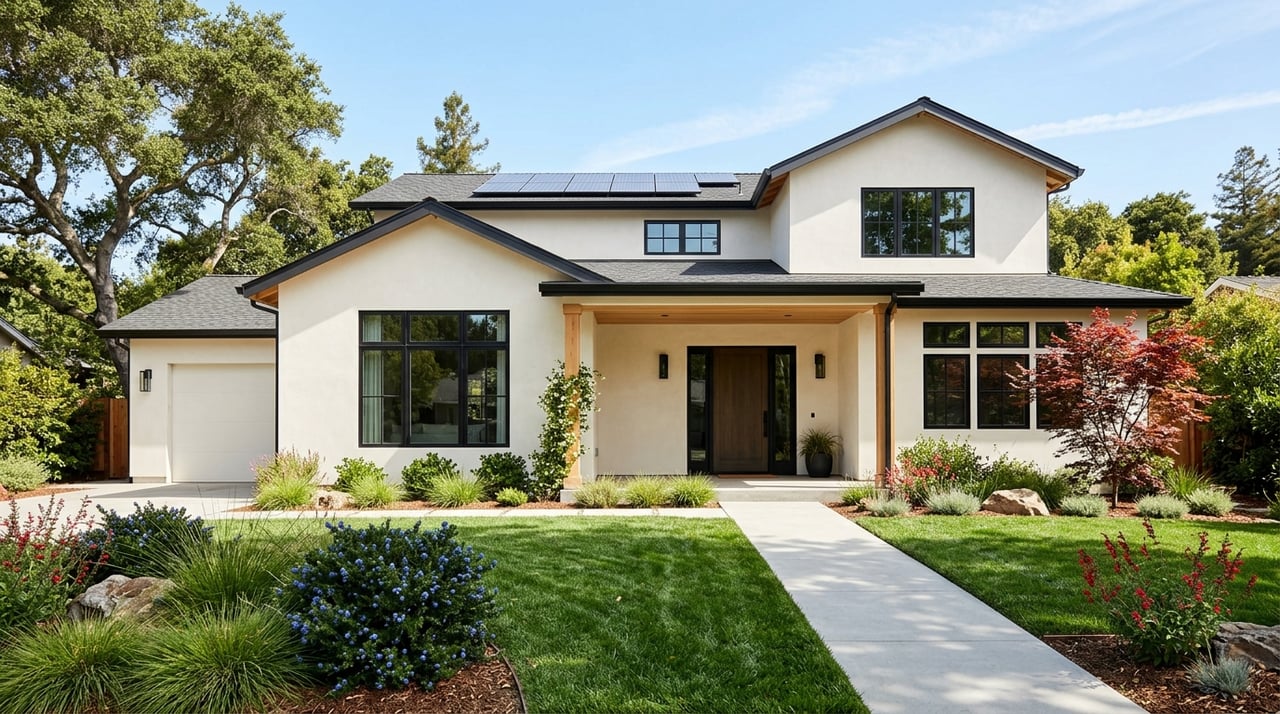
Relocating to Pleasanton: Smart Housing Tips for Buyers
July 9, 2026
July 9, 2026
Thinking about relocating to Pleasanton from outside the area? You are not alone, and you are probably weighing two big questions at once: what kind of home fits your needs, and how fast you may need to move when the right one appears. Pleasanton offers a range of housing choices, strong regional access, and a competitive market that rewards preparation. This guide will help you understand the local housing landscape, buying timelines, and practical relocation steps so you can make smart decisions with less stress. Let’s dive in.
Pleasanton is a high-cost suburban market, and it helps to set expectations early. Census QuickFacts reports a 67.1% owner-occupied housing rate, a median owner-occupied home value of $1,432,300, and a median gross rent of $3,017 for the 2019 to 2023 ACS period.
Those numbers point to a market where both buying and renting require planning. If you are moving from another part of California or from out of state, it is wise to budget for a transition period in case you need temporary housing before closing.
The city also notes a substantial supply of market-rate apartments, below-market rental housing, and first-time-buyer assistance programs. Even if your goal is to buy, that broader housing mix can give you more flexibility while you get to know the area and move through escrow.
Pleasanton’s housing stock is still led by detached homes, but attached options are a meaningful part of the market. According to the city’s 2023 to 2031 housing element, the 2020 housing stock was 60.5% single-family detached, 9.7% single-family attached, 5.6% 2 to 4 unit, 22.9% 5+ unit, and 1.3% mobile homes.
For many out-of-area buyers, this means you can choose between a more traditional single-family home and lower-maintenance attached housing such as condos or townhomes. Your decision may come down to budget, desired space, commute patterns, and how much exterior maintenance you want to handle.
Detached homes make up the largest share of Pleasanton housing. If you want a yard, more separation from neighbors, or extra flexibility for work-from-home space, this segment may be the most appealing.
Current local market data also suggest this is the segment where buyers often need to move fastest. In Bay East’s May 2026 detached-home report, Pleasanton had 78 active listings, about 2.2 months of inventory, an average 21 days on market, and homes sold at 100% of list price on average.
Attached housing can offer a more accessible price point. In Bay East’s March 2026 attached-home report, Pleasanton condos and townhomes had 26 active listings, 3.5 months of inventory, an average 54 days on market, sold at 99% of list price on average, and had a median sale price of $636,000.
That does not mean you can wait too long on every listing. It does mean attached homes may give you a little more breathing room than detached homes, especially if you are relocating and coordinating travel, financing, and timing from afar.
Pleasanton allows ADUs and JADUs, which can be helpful if you want room for multigenerational living, guest space, a private office, or added flexibility. If this feature matters to you, ask early whether a secondary unit is permitted, built with approvals, and reflected accurately in the property records.
Most Pleasanton homes are not brand-new, but they are not especially old either. The city’s housing element says most units were built between 1980 and 1999, and only about 6% were built before 1960.
That age profile matters because cosmetic updates can hide larger maintenance issues. A kitchen may look fresh in photos, but systems like the roof, HVAC, plumbing, electrical, and windows may tell a different story.
The California Department of Real Estate advises buyers to hire qualified inspectors and examine the home’s electrical, plumbing, HVAC, roof, foundation, septic system if present, solar system if present, and structural integrity. The seller’s disclosure also covers the physical condition of the property and potential hazards or defects.
For out-of-area buyers, this makes due diligence especially important. When you cannot stop by the property every few days, you need a clear inspection plan and enough time to review reports carefully before removing contingencies.
Pleasanton’s vacancy data help explain why the market can feel tight. The city’s housing element reports 4.2% overall vacancy, 4.6% rental vacancy, and 0.8% ownership vacancy.
For buyers, low ownership vacancy often translates into limited resale choices at any given moment. If you are relocating on a fixed work or family timeline, it helps to be ready before the right home hits the market.
That preparation usually includes:
Pleasanton sits at the crossroads of I-580 and I-680 and is served by BART, ACE, Wheels, and Pleasanton Rides. The city says Pleasanton has two BART stations along I-580: West Dublin/Pleasanton and Dublin/Pleasanton.
If you expect to travel regularly to Oakland, Berkeley, Hayward, or other East Bay locations, those connections can shape where you focus your home search. BART is the clearest rail connection for Oakland and Berkeley trips, while freeway access may matter more if you plan to drive most days.
Pleasanton’s commute data also show how people actually move around. ACS-based city data report that 55.8% of workers drove alone, 7.0% used public transit, 26.3% worked from home, and the mean travel time to work was 34.0 minutes.
If you are relocating from outside the area, it is easy to focus only on the house itself. In practice, your daily route may affect your quality of life just as much as the floor plan.
Before making an offer, think through:
Out-of-area buyers usually feel the most pressure around speed. California’s standard purchase process helps explain why preparation matters before you write an offer.
The California Association of REALTORS® states that the standard Residential Purchase Agreement includes contingencies for the loan, appraisal, property investigation, seller documents, title, and, when applicable, common-interest and HOA review. The normal deadline for removing those contingencies is 17 days after acceptance, or for some document-review items, 17 days after acceptance or 5 days after delivery, whichever is later.
CAR also describes escrow as typically 30 days or more after acceptance. That means your search timeline and your move timeline may overlap, especially if you need to secure temporary housing, schedule movers, or coordinate a job start date.
To stay organized, it helps to line up key pieces before you start touring homes seriously.
If you are considering an attached home, review more than the unit itself. In practice, condos and townhomes often come with HOA and common-interest disclosures, rules, budgets, and reserve information that deserve close attention before contingency removal.
That extra layer can be manageable, but remote buyers should plan for the review time. You want to know not only whether the unit suits your needs, but also how the broader property is operated and maintained.
If your move happens before your purchase closes, it helps to know your bridge options. Pleasanton’s housing element says the city does not permit short-term rentals of less than 30 days in residential districts.
That means the most realistic temporary housing choices are often hotels, extended-stay suites, furnished corporate housing, or apartment rentals rather than a residential short-term rental. The city’s hotel-tax page also says hotel tax applies to stays of 30 days or less in hotels or similar lodging.
The research also notes several practical options in and around Pleasanton. Hyatt House Pleasanton describes itself as an extended-stay hotel with suites, separate living and kitchen areas, breakfast, parking, and a shuttle within five miles. Larkspur Landing Extended Stay Suites Pleasanton says its suites include full kitchens, laundry, parking, breakfast, and improved rates for longer stays, with tax exemption after 30 nights.
The city’s FY2025 to 2026 consolidated plan also notes new hotel supply, including a 122-room SpringHill Suites that opened in December 2023 and a 110-room TownePlace Suites that opened in March 2024.
Even well-planned moves can shift. A home inspection may uncover repairs, a lender may need more time, or the right listing may come later than expected.
Pleasanton’s housing resources point residents to 2-1-1, ECHO Housing, Abode Services, rental assistance, housing placement, and counseling resources. The city also notes a large stock of existing market-rate apartments, which can give you another fallback if your timeline changes.
Relocating to Pleasanton is not just about finding a house. It is about matching your budget, commute, timing, and housing type to the way you actually plan to live.
Because detached homes can move quickly, older housing stock requires careful inspections, and temporary housing may be part of the process, a calm and methodical plan can make a big difference. When you know what to expect, you can act with confidence instead of rushing under pressure.
If you are preparing for a move to Pleasanton and want steady local guidance, Jo Ann Luisi can help you think through timing, property types, and the practical steps that make a relocation smoother.
Stay up to date on the latest real estate trends.





Don’t guess the market! Every decision counts when your investment is on the line. With 25+ years of experience, million-dollar transactions, and a proven track record, Jo Ann Luisi delivers the strategy, and results you deserve.